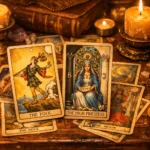
Tarot has moved from candlelit parlors to TikTok feeds. Today, millions of Americans shuffle decks for insight, reflection, or creative fun. Yet many people still wonder what the cards really mean.
Tarot Card Meanings and Step-by-Step Guide isn’t just about fortune-telling. It’s about symbols—colors, numbers, archetypes, and stories—that have traveled across centuries. In the United States, tarot sits at the crossroads of spirituality, psychology, and pop culture.
Some see it as sacred. Others see it as symbolic storytelling. Either way, the imagery is powerful and layered.
Quick Answer
Tarot Card Meanings and Step-by-Step Guide refers to understanding the symbolic messages of the 78 tarot cards and learning how to read them in order. In the USA today, tarot often symbolizes self-reflection and personal growth, while historically it evolved from Renaissance card games into a tool for spiritual insight.
TL;DR
• Tarot uses 78 symbolic illustrated cards
• Originated as a 15th-century Italian card game
• Popular in American spiritual and self-help culture
• Major Arcana reflect life’s big archetypal themes
• Modern readings focus on reflection, not prediction
What Is Tarot and How Does It Work?
Tarot matters in the United States because it blends art, spirituality, and psychology. You’ll see tarot decks in bookstores, yoga studios, and lifestyle blogs. But what exactly is it?
The Structure of a Tarot Deck
A standard tarot deck has 78 cards divided into two parts:
• 22 Major Arcana cards
• 56 Minor Arcana cards
• Four suits: Cups, Wands, Swords, Pentacles
• Court cards: Page, Knight, Queen, King
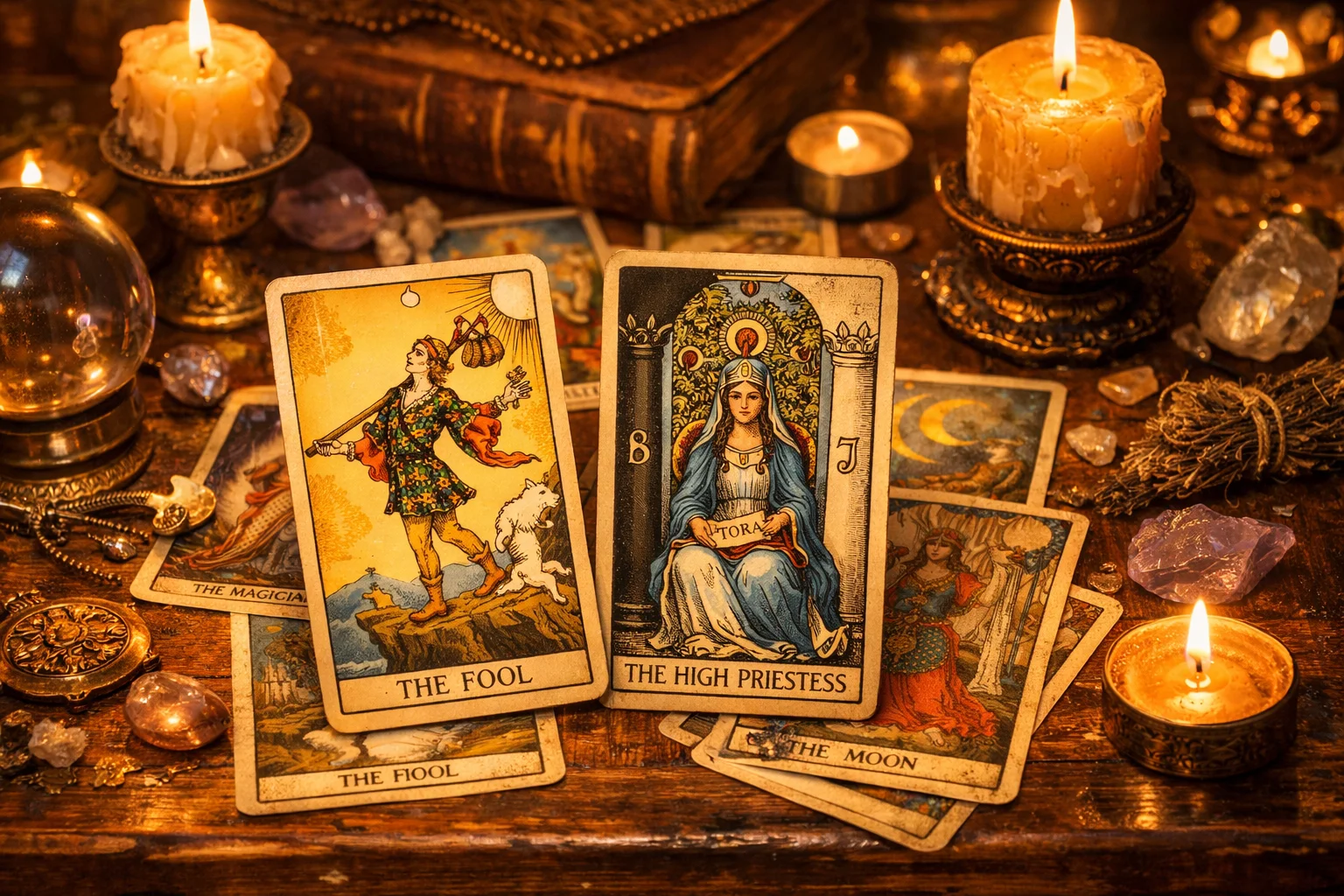
The Major Arcana includes cards like The Fool and Death. These represent major life themes.
The Minor Arcana looks more like playing cards. It reflects daily events and emotions.
How a Reading Works
Readers shuffle the deck and lay out cards in a pattern called a spread. Each card’s meaning shifts based on position and surrounding cards. In modern American practice, readings often focus on questions like relationships, career, or personal growth.
Historical Origins: From Renaissance Italy to Modern America
To understand tarot’s symbolism, we need to go back to 15th-century Europe.
Renaissance Beginnings
Tarot began as a card game in northern Italy around the 1400s. Noble families commissioned hand-painted decks. These early cards weren’t mystical. They were entertainment.
The transformation came centuries later.
Occult Revival in Europe
In the 1700s and 1800s, French occultists linked tarot to ancient Egypt and mystical wisdom. Although historians question these claims, the symbolic system grew stronger.
In 1909, the Rider-Waite deck changed everything. Artist Pamela Colman Smith illustrated detailed scenes on every card. Scholar Arthur Edward Waite guided the symbolism. That deck shaped most modern interpretations in the United States.
Core Tarot Card Meanings at a Glance
For American readers today, tarot often symbolizes guidance rather than fate.
Major Arcana Themes
• The Fool – new beginnings and risk
• The Lovers – relationships and values
• Death – transformation, not literal death
• The Star – hope and renewal
• The World – completion and achievement
Minor Arcana Themes
• Cups – emotions and relationships
• Wands – ambition and creativity
• Swords – thoughts and conflict
• Pentacles – money and material life
These meanings aren’t rigid. Instead, they act like symbolic language.
Step-by-Step Guide to Reading Tarot Cards
Many beginners feel overwhelmed. However, reading tarot can be simple and structured.
Step 1: Choose a Deck
Pick artwork that resonates with you. Most American beginners start with Rider-Waite style decks because the images are story-driven.
Step 2: Cleanse and Focus
Some readers knock on the deck or shuffle mindfully. Others simply take a breath. The ritual centers attention.
Step 3: Ask a Clear Question
Avoid yes-or-no questions. Instead ask, “What should I understand about this situation?”
Step 4: Pull Cards and Interpret
Look at:
• Symbols and colors
• Facial expressions
• Numbers and elements
• Your emotional reaction
Tarot reading combines tradition and intuition.
Tarot Symbolism in the United States
In America, tarot has shifted meaning over time. It now sits between spirituality and self-help.
1960s Counterculture
During the 1960s and 1970s, tarot gained popularity through the New Age movement. It symbolized rebellion against rigid religious structures.
21st-Century Wellness Culture
Today, tarot appears in:
• Instagram spiritual communities
• YouTube card-reading channels
• Boutique bookstores
• Self-care journals
For many Americans, tarot symbolizes empowerment and reflection rather than prediction.
Tarot Cards and Psychological Archetypes
Tarot resonates because it mirrors human psychology.
Archetypes and Carl Jung
Psychologist Carl Jung introduced the idea of archetypes—universal symbolic characters. The Fool, The Mother, The Shadow all echo Jungian patterns.
Many American therapists and writers view tarot as a tool for exploring subconscious themes rather than supernatural prophecy.
Emotional Associations
• The Tower – sudden upheaval
• The Sun – joy and clarity
• The Hermit – solitude and wisdom
• The Devil – attachment or temptation
These symbols tap into shared emotional experiences.
Also Read This: Understanding the 344 Angel Number Meaning Twin Flame
Spiritual Meaning of Tarot Cards
Although tarot isn’t tied to one religion, it carries spiritual weight for many.
Common Spiritual Interpretations
• Life as a symbolic journey
• Divine guidance through imagery
• Reflection of soul lessons
• Cycles of death and rebirth
Some Christians avoid tarot due to biblical warnings about divination. Others reinterpret it as symbolic meditation rather than magic. Views vary widely across the USA.
Tarot in Pop Culture and Media
Tarot imagery appears in movies, fashion, and music. That visibility shapes how Americans see it.
Film and Television
Mystery scenes often include tarot cards for dramatic effect. The Death card, for example, is frequently misunderstood as literal doom.
Social Media
Short-form videos have normalized daily tarot pulls. Hashtags about tarot reach millions of views. However, this trend sometimes oversimplifies meanings.
Common Misunderstandings and Controversies
Tarot isn’t free from debate. Understanding these tensions helps clarify its symbolism.
Myth: Tarot Predicts Fixed Fate
Modern American readers usually see tarot as reflective guidance, not destiny.
Religious Concerns
Some faith communities view tarot as occult practice. Others see it as symbolic art. Interpretations depend on belief systems.
Commercialization
Mass-produced decks and viral trends sometimes dilute historical meaning. Still, accessibility also makes tarot more inclusive.
How Tarot Meanings Have Shifted Over Time
Tarot’s symbolism isn’t static.
Then
• Renaissance entertainment
• 18th-century occult mysticism
• Secret esoteric knowledge
Now
• Personal growth tool
• Creative journaling aid
• Spiritual exploration practice
The shift reflects broader cultural changes in the United States toward individual spirituality.
Tarot Card Meanings by Context
Meaning changes depending on use. Here’s a simplified overview.
| Context | Meaning in the USA | Common Associations | Notes |
| Personal Reading | Self-reflection | Growth, insight | Most common modern use |
| Romantic Question | Emotional clarity | Love, choice | The Lovers often symbolic |
| Career Spread | Direction | Ambition, stability | Pentacles emphasized |
| Social Media Pull | Daily inspiration | Affirmations | Often simplified |
| Tattoo Symbol | Identity marker | Transformation | Death card popular |
Context shapes interpretation.
Tarot and Identity Expression
Today, tarot symbols appear beyond readings.
Tattoos and Art
• The Moon for intuition
• The Sun for optimism
• The Fool for fresh starts
• Death for rebirth symbolism
People choose these designs to reflect identity and life experiences.
Home Decor and Fashion
Tarot prints appear on tapestries and clothing. In this way, tarot becomes aesthetic as well as spiritual.
FAQs
Is tarot against Christianity?
Some Christians believe tarot conflicts with scripture. Others view it as symbolic art. Beliefs differ widely among denominations.
Can tarot really predict the future?
Most American readers say tarot highlights possibilities, not fixed outcomes. It reflects patterns and choices.
What is the most powerful tarot card?
Many consider The Fool powerful because it starts the journey. Others choose The World for completion. Power depends on context.
Why is the Death card scary?
The Death card usually symbolizes transformation. It rarely means physical death in modern readings.
How do beginners start learning tarot?
Start with one deck and simple spreads. Study symbols slowly and journal your interpretations.
Conclusion
Tarot has traveled a long road from Renaissance Italy to modern American culture. Today, it symbolizes reflection, archetypes, and personal growth more than fortune-telling.
Tarot Card Meanings and Step-by-Step Guide helps decode that symbolic language. Whether you see tarot as spiritual practice, creative tool, or psychological mirror, its power lies in imagery and interpretation.
In the end, tarot invites a simple question: what story are these symbols helping you see about your own life?