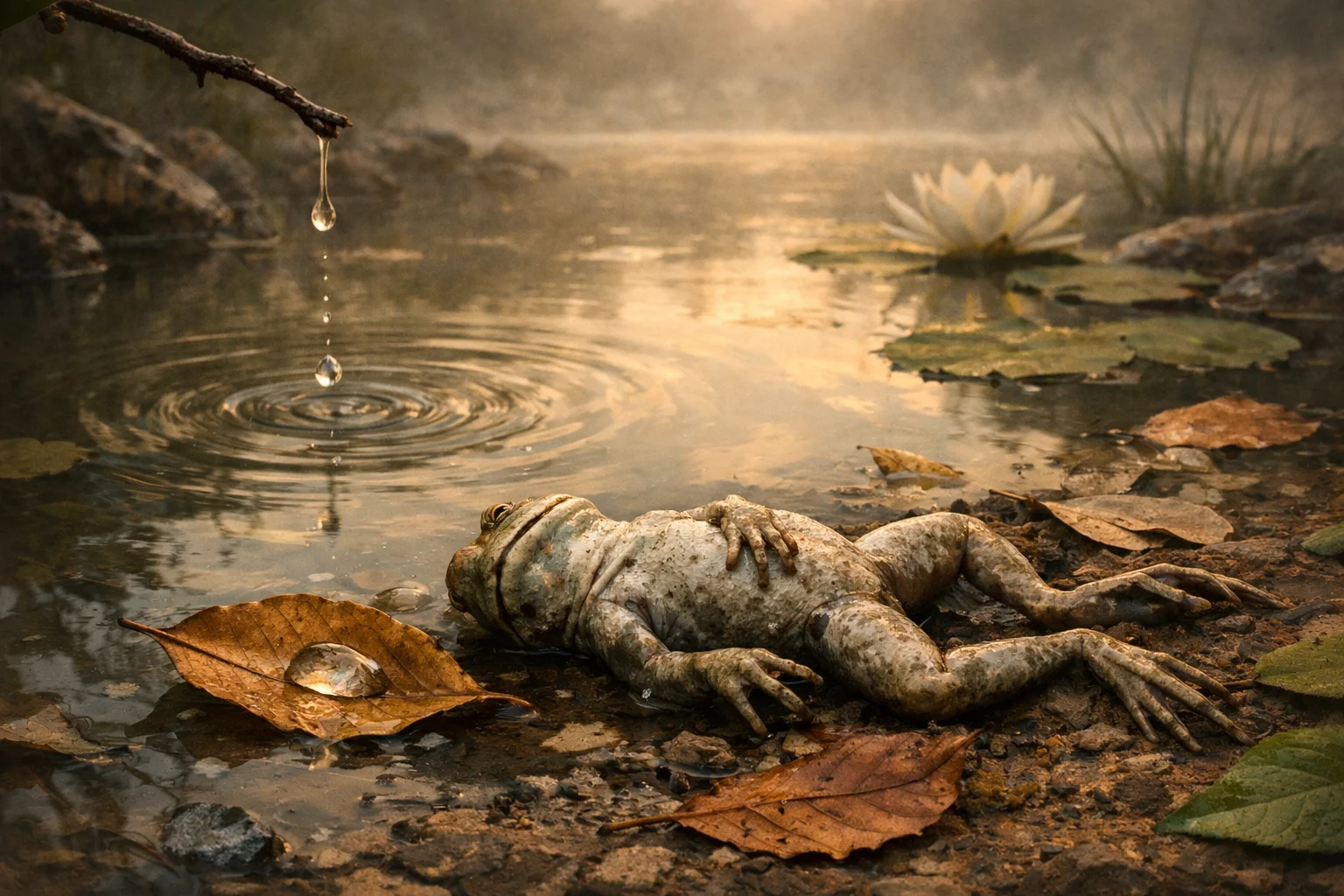
Frogs are widely recognized symbols of transformation, renewal, and life cycles. But when a frog is dead, its symbolism takes on a more complex, often overlooked meaning. The symbolism and spiritual meaning of a dead frog invites reflection on endings, transition, and the delicate balance between life and death. Across the United States, people encounter this symbol in nature, dreams, literature, and even art, prompting questions about its deeper significance.
In this article, we’ll explore the historical roots, cultural interpretations, and modern usage of a dead frog in American life.
We’ll examine how its symbolism has shifted over time and how people today may use it in art, home decor, and even social media to convey complex emotional and spiritual ideas.
Quick Answer
The symbolism and spiritual meaning of a dead frog in the USA often relates to endings, transformation, and letting go. Traditionally, it can signal the need to release old habits or recognize change. Globally, it may also connect to cycles of life, death, and spiritual renewal.
TL;DR
• Dead frogs symbolize endings, transition, and letting go.
• Historically, frogs represent fertility, water, and transformation.
• In the USA, dead frogs often appear in dreams or literature.
• Cross-culturally, they signal cycles, transformation, and spiritual cleansing.
• Modern use includes art, social media, tattoos, and symbolic decor.
Overview of the Dead Frog Symbol
Dead frogs are visually striking because they contrast sharply with the vibrant energy associated with live frogs. Their appearance—often muted colors, rigid posture, and unexpected presence—carries layered meaning.
Visual and Contextual Traits
• Often greenish-brown or gray, blending with natural surroundings.
• Found near water, roads, or in backyards.
• Can appear in art or media as a symbol of decay or change.
• Sometimes interpreted in dreams or spiritual visions as a message.
Historical Background
The frog has ancient roots as a symbol of life, fertility, and transformation. Across cultures, it has long represented change, rebirth, and connection to water.
Ancient Roots
• In Egyptian mythology, the frog-headed goddess Heqet symbolized fertility and birth.
• Celtic traditions saw frogs as water spirits connected to healing.
• Early European folklore often linked frogs to witchcraft, transformation, or ominous signs.
Evolution of Meaning
• Pre-Christian cultures celebrated frogs as liminal creatures bridging water and land.
• Medieval interpretations often associated dead frogs with bad omens or environmental change.
• Modern symbolism in the USA shifted from superstition to psychological and emotional interpretations.
Symbolism in the USA
In contemporary American culture, a dead frog often represents transition or the conclusion of a life phase.
Interpretations
• Closure of relationships or personal projects.
• Awareness of mortality or the fragility of life.
• Environmental or ecological reflection.
• Inspiration for artistic or literary expression.
Table: Contextual Meaning in the USA
| Context | Meaning in the USA | Common Associations | Notes |
| Dreams | Endings, letting go | Personal growth, closure | Often tied to subconscious change |
| Literature | Symbol of mortality | Reflection, transition | Appears in poetry and allegory |
| Nature | Environmental awareness | Fragility of ecosystems | Can inspire conservation themes |
| Art | Transformation, decay | Creativity, deeper meaning | Used metaphorically in installations |
Cross-Cultural and Spiritual Meanings
While the USA focus emphasizes transition and closure, frogs hold diverse meanings worldwide.
Also Read This: Hearing Geese at Night Spiritual Meaning and Symbolism
Global Symbolism
• In China, frogs represent prosperity, but a dead frog can signal lost opportunities.
• In Japan, frogs symbolize safe travel; dead frogs may symbolize halted journeys.
• Indigenous cultures in the Americas often connect frogs to water, cleansing, and spiritual transformation.
• African folklore sometimes views dead frogs as messages from ancestors or nature spirits.
Emotional and Psychological Associations
A dead frog can evoke strong feelings due to its visual and symbolic impact.
Common Associations
• Sadness or mourning over change or loss.
• Awareness of impermanence and the passage of time.
• Reflection on personal transformation or failed efforts.
• Encouragement to let go and adapt to new circumstances.
Modern Usage
Dead frogs appear in art, home decor, and social media as symbols of life cycles and reflection.
Examples
• Tattoos depicting dead frogs as reminders of transformation or resilience.
• Illustrations and digital art exploring mortality and nature.
• Environmental awareness campaigns highlighting ecosystem fragility.
• Pop culture references in literature, cartoons, or symbolic imagery.
Misunderstandings and Controversies
Dead frogs are sometimes misinterpreted as purely negative omens, which can obscure their reflective symbolism.
Key Points
• Not all dead frog symbols indicate bad luck; often, they signal growth.
• Misuse can occur in horror or shock imagery, detaching from symbolic roots.
• Environmental concerns may conflate dead frogs with ecological disaster, creating anxiety.
• Awareness of context is essential for accurate interpretation.
Shifts Over Time
The meaning of dead frogs has evolved from superstition to personal and spiritual reflection.
Evolution
• Ancient associations with life, fertility, and transformation.
• Medieval and early modern period: ominous or warning symbols.
• Contemporary USA: introspection, endings, environmental awareness, artistic expression.
Cultural References in Media
Dead frogs occasionally appear in literature, cartoons, and environmental storytelling.
Examples
• Illustrated children’s books may depict frogs’ life cycles, including death.
• Poetry and short stories often use dead frogs metaphorically for lost innocence or change.
• Environmental documentaries highlight dead amphibians as ecological indicators.
How to Interpret a Dead Frog in Dreams
Dreams about dead frogs carry nuanced meanings.
Key Interpretations
• Ending a difficult phase or relationship.
• Letting go of habits that no longer serve you.
• Messages about vulnerability or environmental concern.
• Personal reflection on mortality and life cycles.
FAQs
What does a dead frog symbolize spiritually?
It often symbolizes endings, letting go, and transformation. Spiritually, it can signal reflection or renewal.
Why do frogs die near water?
Dead frogs near water may reflect environmental factors and evoke awareness of ecosystem fragility.
Is seeing a dead frog bad luck?
Not necessarily. In modern USA symbolism, it more often suggests closure or personal reflection.
Can a dead frog appear in art positively?
Yes, many artists use dead frogs to explore transformation, mortality, and ecological themes.
How do cross-cultural meanings differ?
While the USA emphasizes transition, other cultures may interpret dead frogs as ancestral messages, halted journeys, or lost prosperity.
Conclusion
The symbolism and spiritual meaning of a dead frog blends history, culture, and modern reflection. In the USA, it primarily signals endings, transformation, and the importance of letting go. Across cultures, it carries reminders of life cycles, mortality, and spiritual awareness. Whether in dreams, art, or nature, encountering a dead frog invites reflection on change, resilience, and the delicate balance between life and death. By understanding its deeper symbolism, modern observers can embrace both the cautionary and enlightening messages this unique symbol offers.