Spiritual Skull Symbolism: Deeper Meaning and Understanding
Skulls can feel shocking at first glance. Yet for many people, they’re not just symbols of death. Instead, they represent transformation, protection, and spiritual awakening. Spiritual Skull Symbolism: Deeper Meaning and Understanding explores how this powerful image has evolved over time.
In the United States, the skull appears everywhere. You’ll see it on Halloween decorations, biker jackets, tattoos, and even home décor. However, behind its bold look lies a much older and deeper meaning.
Today, many Americans view the skull not as something dark, but as something honest. It reminds us that life is temporary. Because of that, it can encourage courage, growth, and living fully in the present moment.
Quick Answer
Spiritual Skull Symbolism: Deeper Meaning and Understanding centers on mortality, transformation, and inner awakening in American culture. In the USA, the skull often symbolizes facing fear, accepting life’s impermanence, and embracing personal rebirth. More broadly, it represents the cycle of death and renewal across many spiritual traditions.
TL;DR
• Skulls symbolize mortality and life’s impermanence
• In the USA, they often represent rebellion and individuality
• Many cultures link skulls to rebirth and spiritual transformation
• Modern tattoos use skulls for strength and resilience
• Meaning has shifted from fear to empowerment
What Is Spiritual Skull Symbolism?
Before exploring history, it helps to understand what people mean by a “spiritual skull.” In simple terms, it’s the human skull used as a symbol of deeper truths about life, death, and transformation.
How the Skull Appears
Visually, skulls can vary widely in style:
• Realistic human bone structure in white or ivory
• Decorative sugar skulls with bright colors and flowers
• Flaming or winged skulls in tattoo art
• Minimalist black outline skull icons
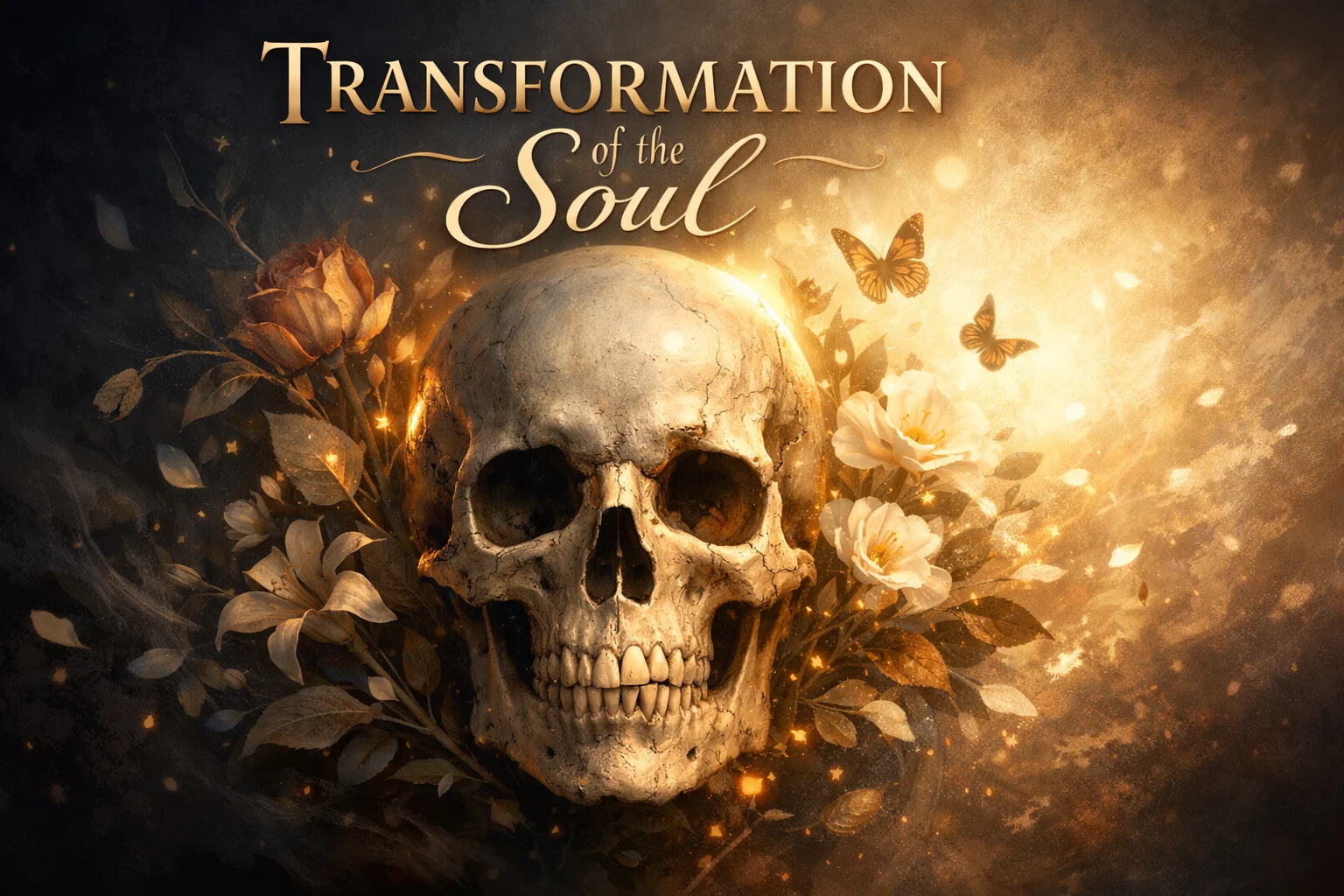
Because the skull is part of every human body, it feels universal. At the same time, artists often soften it with flowers, halos, or light to show hope instead of fear.
Core Meaning at a Glance
For most Americans today, the skull represents:
• Acceptance of mortality
• Personal transformation
• Courage in the face of fear
Instead of glorifying death, spiritual skull imagery often honors the truth of it.
Ancient Roots of Skull Symbolism
Although skull imagery feels modern, its roots stretch back thousands of years. Early humans treated skulls with deep respect.
Prehistoric and Ancient Practices
Archaeologists have found skulls preserved in burial rituals. In some early societies, skulls were kept as sacred objects. They were believed to hold spiritual power or ancestral wisdom.
In ancient Europe and parts of Asia, skulls sometimes symbolized protection. Meanwhile, warrior cultures used them to represent strength and victory.
Religious and Mystical Contexts
In Tibetan Buddhism, skull imagery appears in ritual art. It often symbolizes impermanence and spiritual liberation. Similarly, in Hindu traditions, certain deities wear skull garlands to represent the destruction of ego.
In medieval Christian Europe, monks used skull imagery in “memento mori” art. The phrase means “remember you must die.” The skull reminded believers to live morally and prepare spiritually.
Because these traditions shaped Western thought, they influenced American symbolism later on.
Skull Symbolism in Early American History
When European settlers arrived in North America, they brought symbolic traditions with them. Over time, skull imagery took on uniquely American tones.
Colonial Grave Art
In 17th- and 18th-century New England cemeteries, carved skulls appeared on gravestones. These weren’t meant to frighten. Instead, they reminded viewers of life’s temporary nature.
Later, angel wings were added to skull designs. This shift suggested hope and resurrection.
The Pirate Influence
Popular images of pirates also shaped American views. The skull-and-crossbones became linked to danger and rebellion. However, in spiritual terms, it also symbolized freedom from authority and fear.
Today, this rebellious meaning still influences biker culture and rock music imagery.
Spiritual Skull Symbolism in the USA Today
In modern America, skull symbolism has expanded far beyond graveyards. It now carries layers of meaning.
Personal Empowerment
Many Americans see the skull as a sign of strength. Because it represents death, wearing it can signal fearlessness.
• “I’ve faced darkness and survived.”
• “I’m not afraid of truth.”
• “Life is short—live boldly.”
This interpretation connects to self-growth and resilience.
Mainstream Cultural Presence
Skulls appear during Halloween, especially in October. However, Halloween imagery often mixes fear with fun. As a result, skulls feel less threatening and more symbolic.
In fashion, skull prints can express individuality. In décor, they can represent edgy style rather than danger.
Cross-Cultural Spiritual Meanings
While the focus here is the USA, skull symbolism also carries deep meaning worldwide.
Día de los Muertos and Sugar Skulls
In Mexican tradition, sugar skulls appear during Día de los Muertos. These colorful skulls celebrate deceased loved ones. Instead of mourning, families honor memory and continuity.
Because Mexican-American communities are a vital part of U.S. culture, this joyful skull symbolism has influenced American understanding.
Eastern Spiritual Traditions
In Buddhist teachings, skull imagery reminds practitioners of impermanence. Life changes constantly. Therefore, attachment causes suffering.
Although not all Americans follow these traditions, mindfulness culture has embraced similar ideas.
Emotional and Psychological Meaning of Skulls
Symbols affect how we feel. The skull can trigger fear, but it can also create empowerment.
Facing Mortality
Psychologists note that reminders of death can increase meaning-making. When people remember life is finite, they often focus on what truly matters.
The skull can therefore symbolize:
• Deep reflection
• Letting go of ego
• Emotional honesty
• Acceptance of change
Identity and Inner Strength
For some, skull tattoos mark survival after trauma. Others wear skull jewelry to signal independence.
Because the skull is stripped of outer features, it can represent equality. Underneath, all humans share the same structure.
Skull Tattoos: Meaning and Personal Expression
In the United States, skull tattoos are extremely popular. However, their meanings vary.
Common Tattoo Interpretations
• Rebirth after hardship
• Reminder to live fully
• Protection from negativity
• Tribute to lost loved ones
Some combine skulls with roses. The rose may symbolize beauty and love. Together, they represent the balance of life and death.
Style Matters
Realistic skulls often feel intense. Meanwhile, stylized or floral skulls feel softer. Placement on the body can also affect meaning.
Because tattoos are personal, interpretation depends on the wearer’s story.
Skull Symbolism in American Pop Culture
Modern media strongly shapes symbolism.
Film and Music
Rock bands and heavy metal culture often use skull imagery. It can suggest rebellion or power. At the same time, it connects to themes of mortality and intensity.
Superhero comics sometimes use skull logos to show vigilante justice. These uses blend danger with moral struggle.
Fashion and Branding
Skulls appear on clothing, jewelry, and accessories. While some brands use them for shock value, others present them as art.
Because repetition reduces fear, skulls now feel more stylish than threatening in many settings.
Context Matters: A Symbol With Many Meanings
The skull doesn’t mean the same thing everywhere. Context changes interpretation.
| Context | Meaning in the USA | Common Associations | Notes |
| Halloween | Spooky fun | Costumes, décor | Lighthearted tone |
| Tattoos | Strength, rebirth | Personal growth | Often paired with roses |
| Grave Art | Mortality reminder | Faith, legacy | Historic cemeteries |
| Fashion | Edgy style | Individuality | Popular in youth culture |
| Spiritual Art | Transformation | Impermanence | Influenced by global traditions |
Because symbols evolve, no single meaning dominates.
Misunderstandings and Controversies
Although skulls often represent personal growth, they can also be misunderstood.
Association With Violence
Some groups have used skull imagery in aggressive ways. As a result, observers may assume negativity. However, most spiritual uses focus on transformation rather than harm.
Cultural Sensitivity
Using sugar skull designs without understanding their cultural roots can feel disrespectful. Therefore, awareness matters.
In modern America, conversations about symbolism increasingly include respect for origin traditions.
How Meaning Has Shifted Over Time
Skull symbolism has changed dramatically.
From Fear to Reflection
In medieval Europe, skulls were warnings. Later, they became reminders of spiritual preparation. Today, many Americans interpret them as empowerment symbols.
Revival Through Modern Spirituality
Mindfulness and self-development movements have renewed interest in mortality awareness. Instead of avoiding death, people discuss it openly.
As a result, skull imagery now often signals acceptance rather than doom.
FAQs
What does a spiritual skull symbolize?
A spiritual skull usually symbolizes mortality, transformation, and awakening. In the USA, it often represents personal strength and resilience.
Is skull symbolism negative?
Not necessarily. Although some see it as dark, many view it as honest and empowering.
Why are skulls popular in tattoos?
They can represent survival, courage, or rebirth. Personal meaning varies by individual.
Is a skull connected to religion?
It appears in several religious traditions. However, meaning depends on context and belief system.
Do skulls always mean death?
They represent death symbolically. More often, they highlight life’s impermanence and renewal.
Are sugar skulls the same as spiritual skulls?
Sugar skulls are specific to Día de los Muertos traditions. While both involve skull imagery, cultural meaning differs.
Conclusion
The skull is one of humanity’s oldest symbols. At first glance, it may seem dark or intimidating. However, Spiritual Skull Symbolism: Deeper Meaning and Understanding reveals something deeper.
In the United States, the skull often stands for courage, individuality, and transformation. It reminds us that life is temporary—and therefore precious. Because of that, many people wear or display skull imagery as a sign of strength rather than fear.
Ultimately, the skull invites reflection. Instead of turning away from mortality, it encourages us to live more fully.