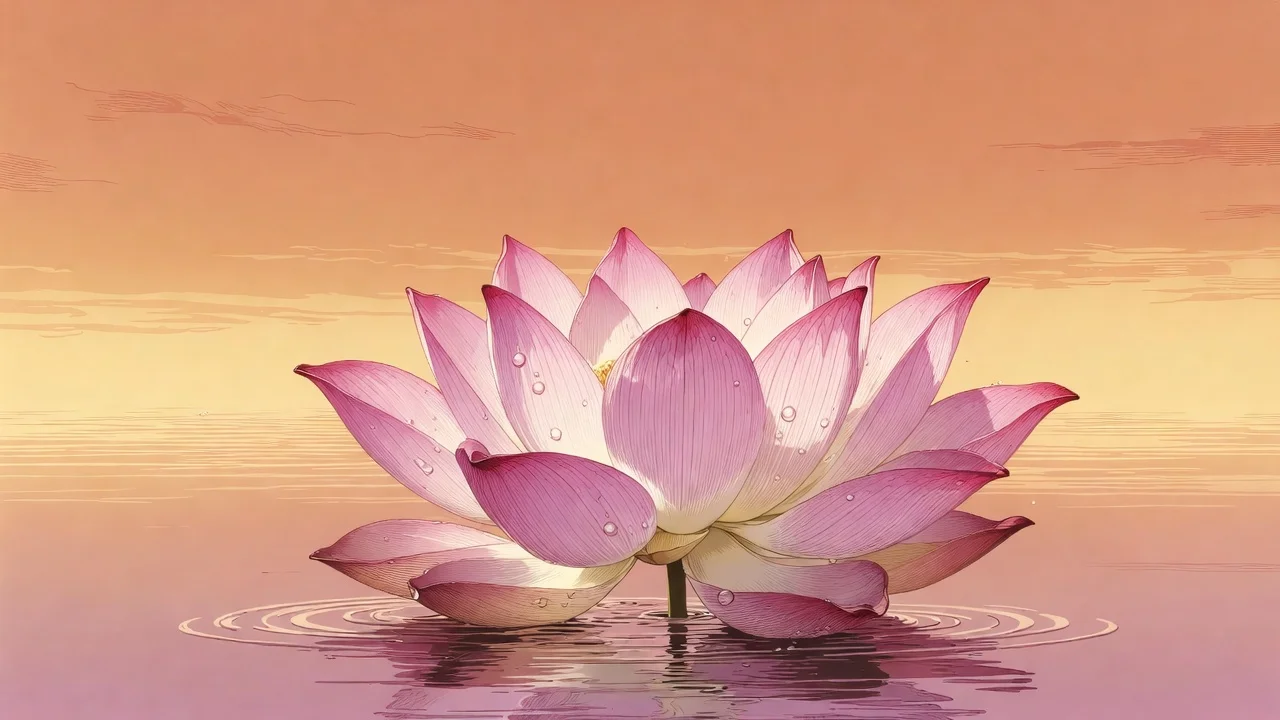
The lotus is one of the world’s most recognized spiritual symbols. When people search for Lotus Symbolism, Meanings, Symbolism, and Influence?, they’re often asking a deeper question: how can something grow in muddy water and still look so pure?
In the United States, the lotus has become a powerful image of resilience, healing, and personal growth. You’ll see it in yoga studios, tattoos, jewelry, meditation apps, and even home decor. Yet its story began thousands of years ago, far from American shores.
Today, the lotus bridges cultures. It connects ancient religious traditions with modern ideas about mindfulness, strength, and self-discovery. To understand why it matters in 2025–2026 America, we need to look at both its roots and its evolving meaning.
Quick Answer
In the United States, Lotus Symbolism, Meanings, Symbolism, and Influence? most commonly represent resilience, spiritual growth, and rising above hardship. The flower’s journey from muddy water to clean bloom makes it a powerful metaphor for transformation, while its ancient roots in Asian religions add layers of sacred meaning.
TL;DR
• The lotus symbolizes resilience and personal growth.
• It rises clean from muddy water.
• Rooted in Hinduism and Buddhism.
• Popular in American tattoos and yoga culture.
• Represents healing, rebirth, and inner peace.
• Meanings shift by color and context.
What Is the Lotus? (Overview of the Symbol)
Before exploring deeper meanings, it helps to understand what the lotus actually is. For American readers, the lotus is usually a stylized flower seen in art rather than in nature.
Physical Description
The sacred lotus (Nelumbo nucifera) is an aquatic plant. It grows in still, muddy water. However, its large round leaves float on the surface. Its flower rises above the water on a strong stem.
Key features include:
• Large circular leaves with smooth edges
• Multi-layered petals arranged in symmetry
• A central seed pod shaped like a showerhead
• Colors such as pink, white, blue, or red
Because the bloom stays clean despite muddy roots, it became symbolic early in human history. That contrast is central to its meaning.
Why It Became Symbolic
The lotus opens in the morning and closes at night. This daily rhythm mirrors ideas of rebirth and renewal. Also, water itself symbolizes emotion and the unconscious mind in many cultures.
So visually, the lotus tells a story: darkness below, light above.
Historical Origins of Lotus Symbolism
Although the lotus feels modern in American wellness culture, its symbolic roots go back thousands of years.
Ancient Egypt
In ancient Egypt, the lotus symbolized creation and rebirth. The blue lotus appeared in art connected to the sun god Ra. Because the flower opened with the sun, it became tied to cosmic renewal.
It also appeared in tomb art, linking it to the afterlife.
Hindu Traditions
In Hinduism, the lotus represents divine beauty and spiritual awakening. Several deities are shown seated on a lotus, including Lakshmi and Brahma.
Common Hindu meanings include:
• Spiritual purity despite worldly chaos
• Divine birth and cosmic order
• Prosperity and sacred beauty
• Detachment from material struggle
The Sanskrit word “padma” means lotus and appears in many sacred texts.
Buddhism
In Buddhism, the lotus symbolizes enlightenment. The journey from mud to bloom parallels the path from suffering to awakening.
In Buddhist art:
• White lotus symbolizes mental purity
• Blue lotus represents wisdom
• Pink lotus links to the historical Buddha
• Red lotus expresses compassion
Over centuries, this imagery spread across Asia.
How Did Lotus Symbolism Reach America?
The lotus didn’t originate in the West. However, it entered American awareness through immigration, scholarship, and spiritual movements.
19th–20th Century Influence
During the 1800s, translations of Eastern texts introduced Americans to Buddhist and Hindu ideas. Later, interest grew through:
• The Transcendentalist movement
• Immigration from South and East Asia
• The counterculture movement of the 1960s
• Growth of yoga and meditation communities
By the early 2000s, the lotus was widely recognized in wellness culture.
2025–2026 American Context
Today, the lotus appears less as a strictly religious symbol and more as a universal metaphor. Many Americans use it without direct religious affiliation.
However, awareness of its origins has increased. People are more mindful about cultural respect than in previous decades.
Lotus Symbolism in the United States
In the U.S., the lotus carries meanings shaped by modern life. While its spiritual roots remain, its emotional tone often shifts toward personal empowerment.
Core American Meanings
• Overcoming trauma or hardship
• Emotional healing and recovery
• Personal reinvention
• Mindfulness and self-care
Because American culture values resilience, the lotus fits naturally into that narrative.
Symbolism in Different Contexts
| Context | Meaning in the USA | Common Associations | Notes |
| Tattoos | Personal growth | Recovery, strength | Often chosen after life change |
| Yoga Studios | Mindfulness | Calm, breathwork | Frequently used in logos |
| Jewelry | Inner peace | Spiritual identity | Minimalist designs common |
| Home Decor | Serenity | Balance, harmony | Popular in meditation spaces |
| Social Media | Transformation | Self-love journeys | Often paired with quotes |
In short, the lotus has become a visual shorthand for growth.
Spiritual Meaning of the Lotus
Although many Americans use the lotus in a secular way, its spiritual roots remain powerful.
Enlightenment and Awakening
In Buddhism, enlightenment means seeing reality clearly. The lotus mirrors this awakening.
The muddy water represents confusion. The bloom represents clarity.
Detachment and Purity
The lotus leaf repels water. Symbolically, this reflects non-attachment. In spiritual terms, it suggests living in the world without being consumed by it.
For some Americans, this translates into:
• Staying grounded during stress
• Letting go of resentment
• Maintaining inner calm
• Practicing conscious living
However, interpretations vary by tradition.
Also Read This: 333 Meaning from God in the Bible
Emotional and Psychological Associations
Symbols shape emotion. The lotus carries specific psychological signals in American culture.
Resilience
The strongest emotional link is resilience. People see the lotus and think, “You can rise above.”
This message resonates strongly in trauma recovery spaces.
Healing and Renewal
Because it blooms daily, the lotus symbolizes fresh starts. Therapists sometimes use lotus imagery in guided visualization.
It may evoke feelings of:
• Hope after loss
• Confidence after struggle
• Quiet strength
• Balanced emotions
Today, its tone feels gentle rather than aggressive.
Lotus Flower Colors and Their Meanings
Color changes meaning. In American symbolism, color often personalizes the message.
White Lotus
• Purity and clarity
• Spiritual focus
• Simplicity
• Mental peace
Pink Lotus
• Sacred devotion
• Compassion
• Traditional Buddhist symbolism
• Respect for heritage
Blue Lotus
• Wisdom
• Intellectual insight
• Discipline
• Study and learning
Red Lotus
• Love
• Heart-centered awareness
• Passion balanced by control
• Emotional strength
Color selection often shapes tattoo or decor choices.
Lotus in Tattoos and Personal Identity
Lotus tattoos are among the most requested floral designs in American studios.
Why People Choose It
• Marks recovery from addiction
• Honors a difficult life chapter
• Represents spiritual awakening
• Symbolizes independence
The design may be minimalist or highly detailed. Some combine it with mandalas or geometric shapes.
Placement and Style Trends (2025–2026)
Recent trends include:
• Fine-line lotus outlines
• Small wrist or ankle placements
• Black ink with subtle shading
• Watercolor effects for softness
For many, the lotus becomes a personal badge of growth.
Modern Media and Pop Culture Influence
Although not tied to one specific franchise, lotus imagery appears widely in film, wellness branding, and art.
Meditation apps often use lotus icons. Spa logos frequently include the bloom. Even social media graphics feature it alongside motivational quotes.
Because it feels calming, designers favor it for wellness products.
Misunderstandings and Cultural Sensitivity
As the lotus grows popular, conversations about cultural respect increase.
Common Concerns
• Using sacred symbols without understanding origin
• Commercializing religious imagery
• Confusing Buddhist and Hindu meanings
• Oversimplifying complex traditions
However, appreciation and respect differ from misuse. Many Asian American communities view thoughtful use positively when origins are acknowledged.
In 2025–2026, awareness matters more than perfection.
How Lotus Meaning Has Shifted Over Time
Symbol meanings evolve. The lotus is no exception.
Then vs. Now
Ancient meaning focused on cosmic order and divine presence. In contrast, modern American meaning emphasizes personal growth.
Earlier eras saw it mainly in religious art. Today, it appears in secular spaces like gyms and notebooks.
The shift reflects broader cultural changes toward individual spirituality.
FAQs
What does the lotus symbolize in America?
In the U.S., it usually symbolizes resilience and personal transformation. It often marks overcoming hardship.
Is the lotus a religious symbol?
Yes, it has strong roots in Hinduism and Buddhism. However, many Americans use it in a non-religious way.
What does a lotus tattoo mean?
It often represents growth after struggle. For some, it marks healing or recovery.
Does the lotus symbolize rebirth?
Yes. Because it blooms daily, it represents renewal and fresh starts.
Is it disrespectful to use a lotus symbol?
It depends on intent and awareness. Using it thoughtfully and understanding its origins shows respect.
Why does the lotus grow in mud?
Botanically, it thrives in nutrient-rich sediment. Symbolically, that mud represents life’s challenges.
Conclusion
The lotus is more than a beautiful flower. Across history and cultures, it has symbolized purity, rebirth, and spiritual awakening. In the United States today, Lotus Symbolism, Meanings, Symbolism, and Influence? center on resilience, healing, and rising above hardship.
Its journey from muddy water to radiant bloom speaks to something universal. We all face difficult seasons. Yet the lotus reminds us that growth can emerge from struggle.
That’s why this ancient symbol still feels deeply personal in modern America.